
Renewable Energy Company In Vijayawada
- Home
- Services
- Renewable Energy (Wind & Hybrid)
What is Wind Energy? A Complete Guide to Clean and Sustainable Power
As the world moves toward cleaner and more sustainable sources of electricity, wind energy has emerged as one of the most reliable renewable energy solutions. Wind power is helping homes, businesses, industries, and communities reduce their dependence on fossil fuels while lowering electricity costs and protecting the environment.
At Prasha Energy, we believe that understanding renewable energy technologies is the first step toward a greener future. While solar energy remains one of the most popular renewable energy options, wind energy is also playing a crucial role in meeting the growing demand for clean electricity across India and around the world.
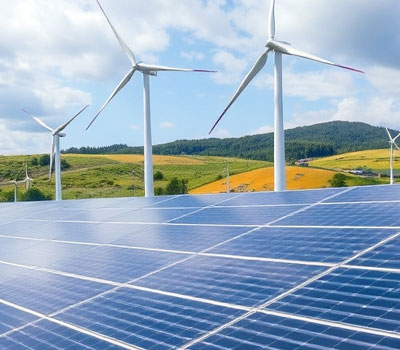
What is Wind Energy?
Wind energy is a form of renewable energy that converts the natural movement of air into electricity. Wind is created when the sun heats the Earth's surface unevenly, causing differences in air pressure. As air moves from high-pressure areas to low-pressure areas, wind is formed.
Wind turbines capture the kinetic energy of moving air and convert it into electrical energy. This electricity can then be used to power homes, offices, factories, schools, hospitals, and other facilities.
Unlike conventional power generation methods that rely on coal, diesel, or natural gas, wind energy produces electricity without releasing harmful greenhouse gases into the atmosphere. This makes it one of the cleanest and most environmentally friendly energy sources available today.
How Does Wind Energy Work?
The process of generating electricity from wind is both simple and efficient. Modern wind turbines are designed to maximize energy production while operating safely and reliably.
Here is how wind energy works:
- Wind blows across the turbine blades.
- The blades rotate due to the force of the wind.
- The rotating blades turn a shaft connected to a generator.
- The generator converts mechanical energy into electrical energy.
- The generated electricity is transmitted through electrical systems for consumption.
Wind turbines are commonly installed in areas where wind speeds are consistently strong, such as coastal regions, open plains, hilltops, and offshore locations.
Main Components of a Wind Turbine
A wind turbine consists of several important components that work together to generate electricity efficiently:
- Rotor Blades: Capture the energy of the wind.
- Hub: Connects the blades to the main shaft.
- Nacelle: Houses the generator and mechanical equipment.
- Generator: Produces electricity from rotational energy.
- Tower: Supports the turbine at an optimal height.
- Control System: Monitors performance and ensures safe operation.
Each component plays a critical role in maximizing energy generation and maintaining long-term reliability.
Types of Wind Energy Systems
1. Onshore Wind Energy
Onshore wind farms are installed on land and are currently the most common type of wind energy project. These systems are widely used due to easier installation and maintenance.
2. Offshore Wind Energy
Offshore wind farms are installed in oceans, seas, or large water bodies where wind speeds are generally stronger and more consistent. These projects often generate higher amounts of electricity but require advanced engineering and infrastructure.
3. Small Wind Turbines
Small wind turbines are suitable for individual homes, farms, rural facilities, and small businesses. They can supplement existing electricity sources and reduce dependence on the grid.
Benefits of Wind Energy
Wind energy offers numerous advantages that make it one of the most attractive renewable energy solutions.
Environmentally Friendly
Wind energy generates electricity without burning fossil fuels. This helps reduce carbon emissions, air pollution, and environmental degradation.
Renewable and Sustainable
Wind is a naturally replenishing resource that will continue to be available for generations. Unlike coal or petroleum, wind cannot be depleted through usage.
Reduces Electricity Costs
Once a wind energy system is installed, operational costs are relatively low. This can help businesses and communities achieve long-term savings on electricity expenses.
Energy Independence
Wind power reduces dependence on imported fuels and enhances national energy security.
Job Creation
The renewable energy sector creates employment opportunities in manufacturing, installation, engineering, maintenance, and project management.
Supports Sustainable Development
Wind energy contributes to cleaner cities, healthier communities, and sustainable economic growth.
Wind Energy in India
India is one of the world's leading producers of wind energy. With favorable climatic conditions and extensive coastlines, the country has tremendous potential for wind power development.
States such as Tamil Nadu, Gujarat, Karnataka, Maharashtra, Rajasthan, and Andhra Pradesh have witnessed significant growth in wind energy installations. Government initiatives, renewable energy policies, and technological advancements continue to drive the expansion of wind projects across the nation.
The increasing demand for clean energy is encouraging industries and businesses to explore renewable solutions, including wind and solar power systems.
Wind Energy and Solar Energy: A Powerful Combination
Wind energy and solar energy complement each other exceptionally well. Solar panels generate electricity during sunny hours, while wind turbines can produce power during cloudy weather, nighttime, and windy conditions.
Combining both technologies creates a more reliable and balanced renewable energy system. This hybrid approach helps improve energy availability and maximize overall power generation throughout the year.
Businesses looking for comprehensive renewable energy solutions often work with experienced solar panels dealers in vijayawada to integrate solar systems alongside other sustainable energy technologies.
Applications of Wind Energy
Wind energy is used in a variety of sectors and applications.
- Residential power generation
- Commercial buildings
- Industrial facilities
- Agricultural operations
- Water pumping systems
- Educational institutions
- Healthcare facilities
- Remote and rural electrification
- Large-scale utility power generation
Its versatility makes wind energy a valuable component of modern energy infrastructure.
Challenges of Wind Energy
Although wind energy offers numerous advantages, there are certain challenges that need to be addressed.
Variable Wind Speeds
Electricity production depends on wind availability. Low wind conditions can temporarily reduce energy generation.
Site Selection Requirements
Wind projects require locations with sufficient wind resources to ensure economic viability.
Initial Investment
Installing wind energy systems involves upfront capital costs for equipment, infrastructure, and installation.
Grid Integration
Managing renewable energy within existing power grids requires advanced planning and technology.
Despite these challenges, continuous technological improvements are making wind energy more efficient, affordable, and accessible.
The Future of Wind Energy
The future of wind energy looks promising as countries worldwide accelerate their transition toward renewable energy. Advancements in turbine technology, energy storage systems, and smart grid integration are increasing the efficiency and reliability of wind power.
Modern turbines are capable of generating significantly more electricity than earlier models. Larger rotor diameters, taller towers, and improved aerodynamics allow developers to harness wind resources more effectively.
As global climate goals become increasingly important, investments in wind energy infrastructure are expected to grow substantially over the coming decades.
Why Renewable Energy Matters Today
Rising energy demand, environmental concerns, and increasing electricity costs are driving the adoption of renewable energy solutions. Wind energy and solar power offer sustainable alternatives that can help reduce carbon footprints while supporting economic development.
Organizations, industries, educational institutions, healthcare facilities, and residential communities are increasingly recognizing the value of investing in clean energy systems.
Partnering with trusted renewable energy providers ensures access to professional guidance, quality equipment, and long-term support for successful project implementation.
Prasha Energy – Supporting a Sustainable Energy Future
Prasha Energy is committed to promoting renewable energy awareness and helping customers explore sustainable power solutions. As the renewable energy sector continues to evolve, businesses and homeowners are seeking reliable partners who understand the latest technologies and industry best practices.
Whether you are evaluating solar energy, learning about wind power, or considering hybrid renewable energy systems, professional consultation can help identify the most suitable solution for your energy needs.
If you are searching for a reliable wind energy company in vijayawada, understanding the fundamentals of wind energy is an important first step. Similarly, working with experienced solar panels dealers in vijayawada can help you maximize energy efficiency and long-term savings through customized renewable energy solutions.
Wind energy is one of the most important renewable energy sources available today. By converting the natural movement of air into electricity, wind power provides a clean, sustainable, and environmentally responsible solution for meeting growing energy demands.
With benefits such as reduced emissions, long-term cost savings, energy independence, and support for sustainable development, wind energy is expected to play a major role in the future of global electricity generation.
As renewable energy adoption continues to expand across India, combining wind and solar technologies will create stronger, more resilient energy systems for homes, businesses, industries, and communities. Prasha Energy remains dedicated to supporting this transition toward a cleaner and more sustainable future.